


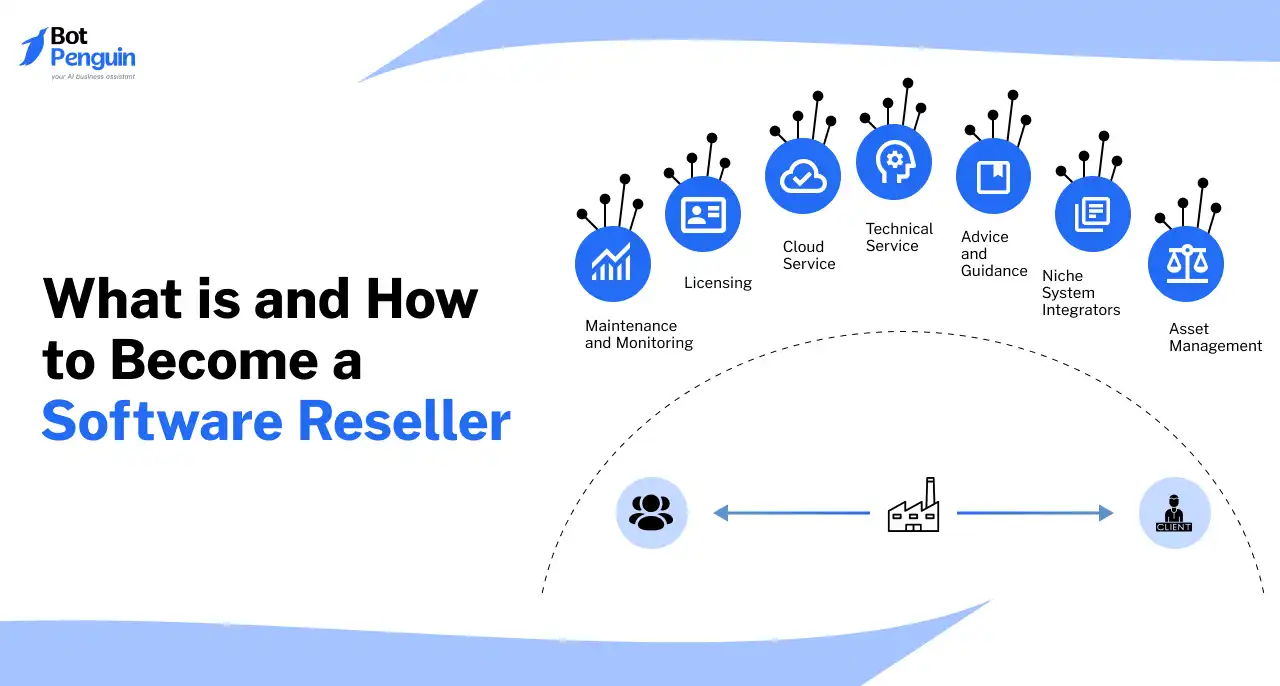
What is and How to Become a Software Reseller
Updated at Apr 30, 2026
100 min to read

In today’s fast-paced digital world, Artificial Intelligence (AI) and Machine Learning (ML) are no longer futuristic concepts — they are actively shaping how we live, work, and interact with technology. From voice assistants to automated testing tools, AI/ML is everywhere.
Let’s explore what AI and ML really mean, how they work, and why they are transforming industries worldwide.
OpenAI defines Artificial Intelligence as the simulation of human intelligence in machines that are programmed to think, reason, learn, and make decisions.
In simple terms, AI enables machines to mimic human behavior such as:
Problem-solving
Decision-making
Speech recognition
Visual perception
Language translation
Examples of AI in daily life:
Virtual assistants like Siri and Google Assistant
Recommendation systems on Netflix and Amazon
Chatbots used in customer support
Machine Learning is a subset of AI that focuses on enabling machines to learn from data without being explicitly programmed.
Instead of writing rule-based code, ML models:
Collect data
Identify patterns
Learn from those patterns
Make predictions or decisions
For example:
Email spam filters
Fraud detection systems
Face recognition in smartphones
The more data ML models process, the smarter and more accurate they become.
The model is trained using labeled data (input + correct output).
Example: Email spam classification.
The model identifies patterns in unlabeled data.
Example: Customer segmentation.
The model learns through rewards and penalties.
Example: Game-playing AI like AlphaGo.
Disease prediction
Medical imaging analysis
Personalized treatment plans
Customer behavior analysis
Targeted advertisements
Sales forecasting
Autonomous vehicles
Traffic prediction systems
Since you're exploring automation and API testing, AI is becoming powerful in:
Smart test case generation
Self-healing test scripts
Predictive defect analysis
Automated bug triaging
AI-driven testing tools reduce manual effort and increase test coverage, making QA processes more efficient.
✔ Increased efficiency
✔ Data-driven decision making
✔ Automation of repetitive tasks
✔ Improved customer experience
✔ Faster problem-solving
⚠ Data privacy concerns. hggth
⚠ Bias in training data
⚠ High implementation cost
⚠ Need for skilled professionals
Organizations must ensure responsible and ethical AI implementation.
The future of AI and ML is incredibly promising. Technologies like:
Generative AI
Autonomous systems
AI-powered analytics
Intelligent automation
are rapidly evolving.
Companies such as Google, Microsoft, and Tesla are heavily investing in AI research to drive innovation.
In the coming years, AI will not replace humans but will augment human capabilities, enabling smarter decision-making and higher productivity.
Artificial Intelligence and Machine Learning are not just technological trends — they are revolutionizing industries and redefining the way we interact with machines. Whether you are a developer, tester, business analyst, or entrepreneur, understanding AI/ML is becoming essential in the modern digital era.
As technology continues to evolve, those who adapt and learn AI-driven tools will stay ahead in their careers.
Subscribe to Our Newsletter
Get the latest business insights straight into your inbox.
Checkout our related blogs you will love.
Updated at Apr 30, 2026
100 min to read

Updated at Apr 28, 2026
10 min to read
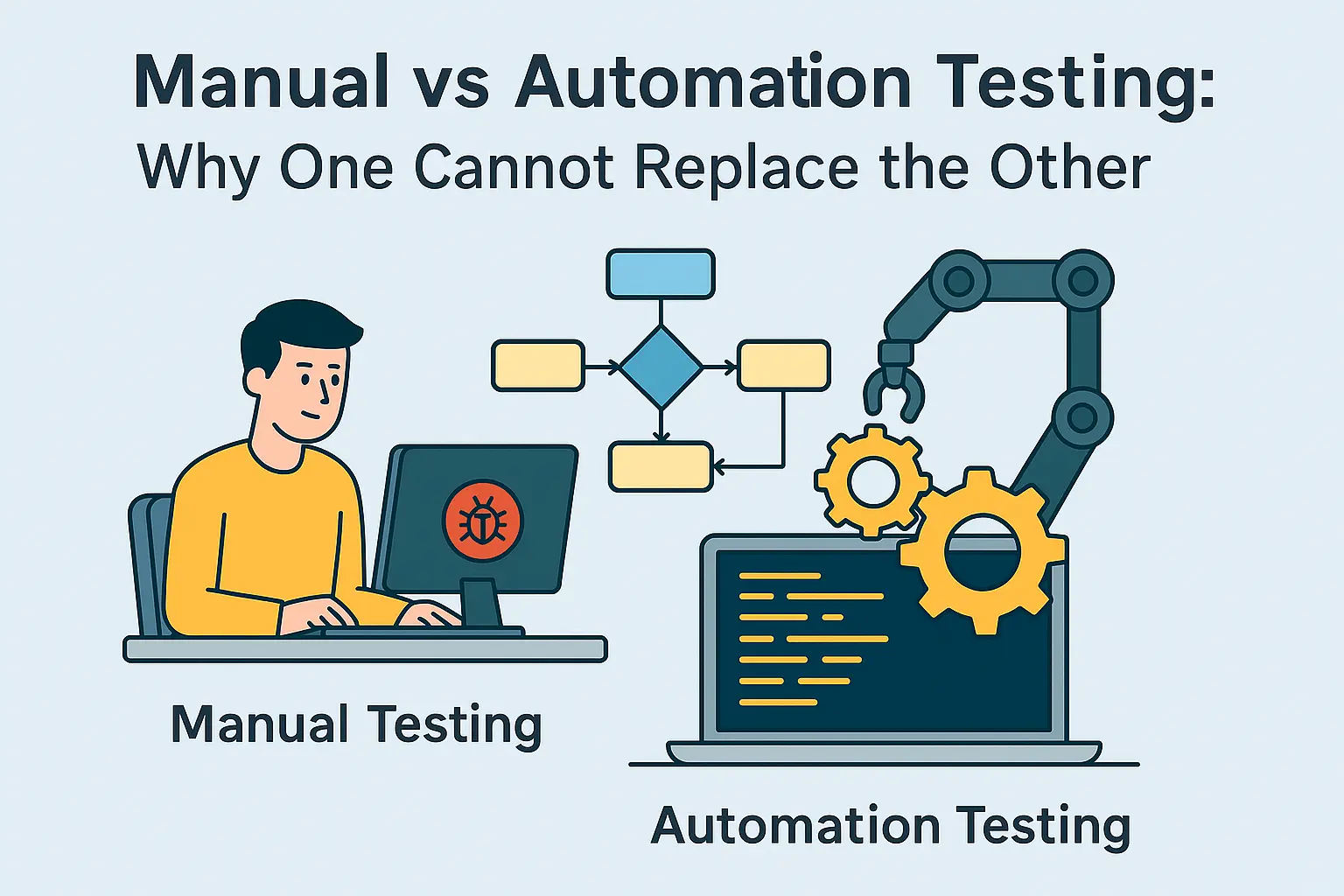
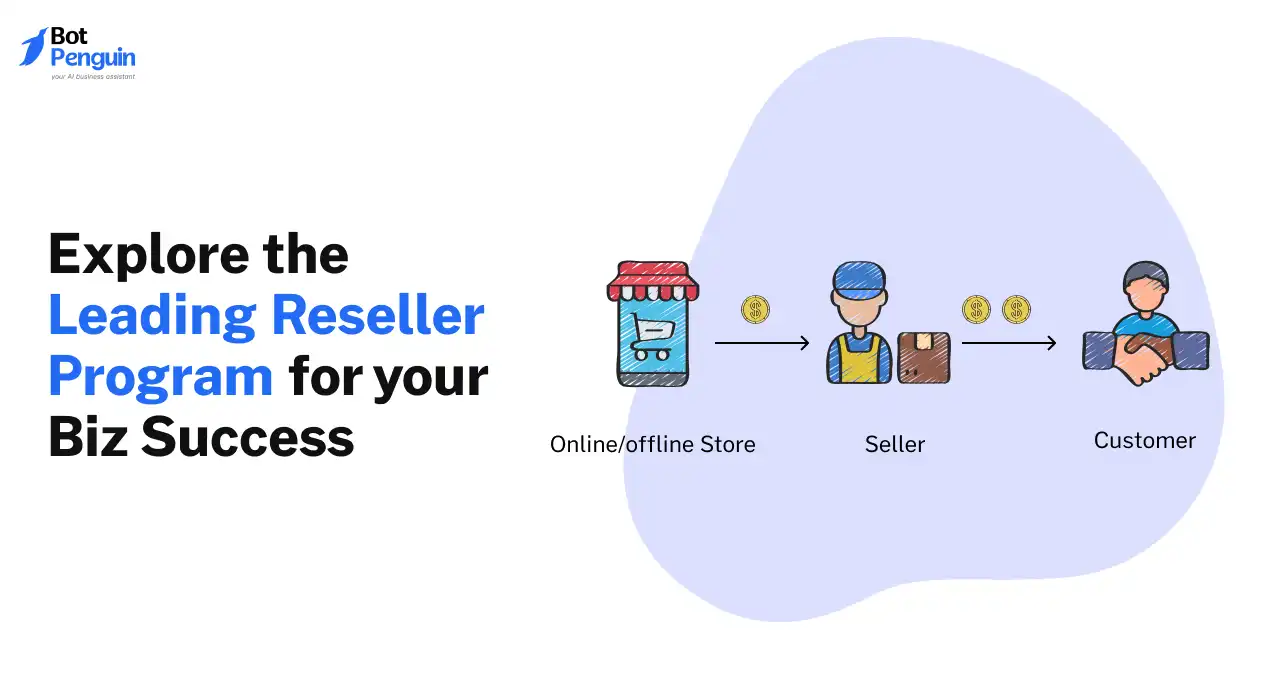
Updated at Mar 3, 2026
100 min to read
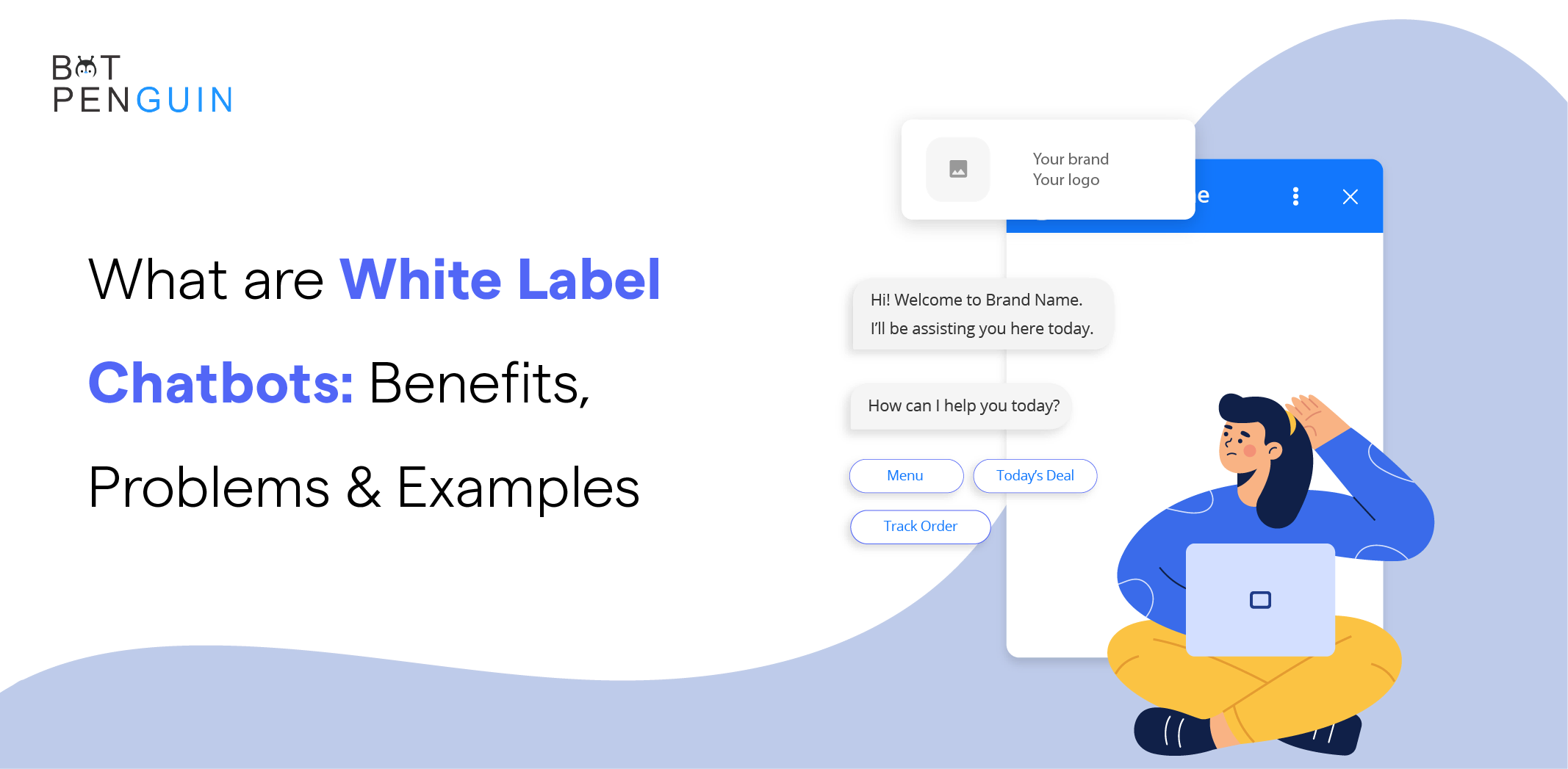
Updated at Nov 7, 2025
100 min to read
Table of Contents