
AI & ML in 2026: Beyond Automation, Toward Intelligence Artificial
Updated at Apr 28, 2026
10 min to read
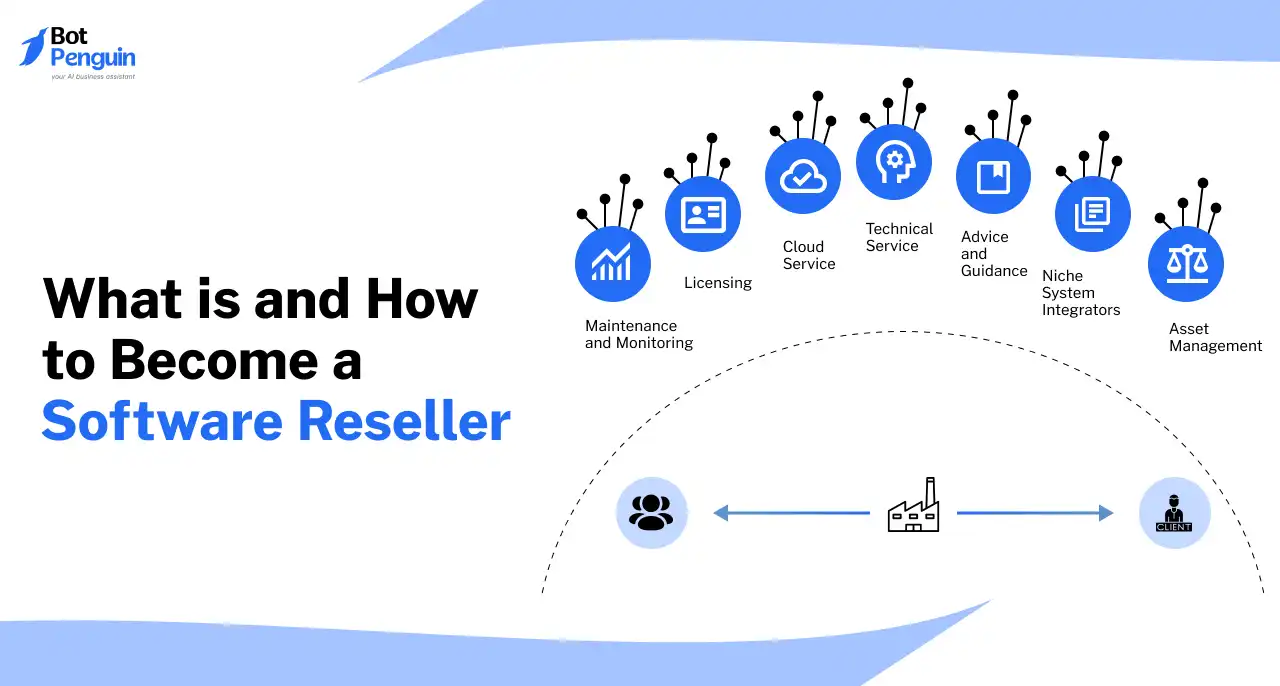
Are you considering getting into the world of software reselling? Being a software reseller can be a profitable and flexible business opportunity because you get to sell popular software products while adding more value to the customer. Be it SaaS products, chatbot software, or industry-specific tools, the potential for growth and recurring revenue is immense.
You can get exclusive licenses through trusted software vendors and get authorized to resell high-demand products.
This blog is going to guide you step by step on how to become a successful software reseller, from choosing your niche to setting up your sales platform and implementing effective marketing strategies.
Along the way, we'll discuss the benefits of reselling software, including low start-up costs and the scalability of your business, and discuss some of the challenges you may face.
Ready to get started in your journey as a software reseller? Let's get going!
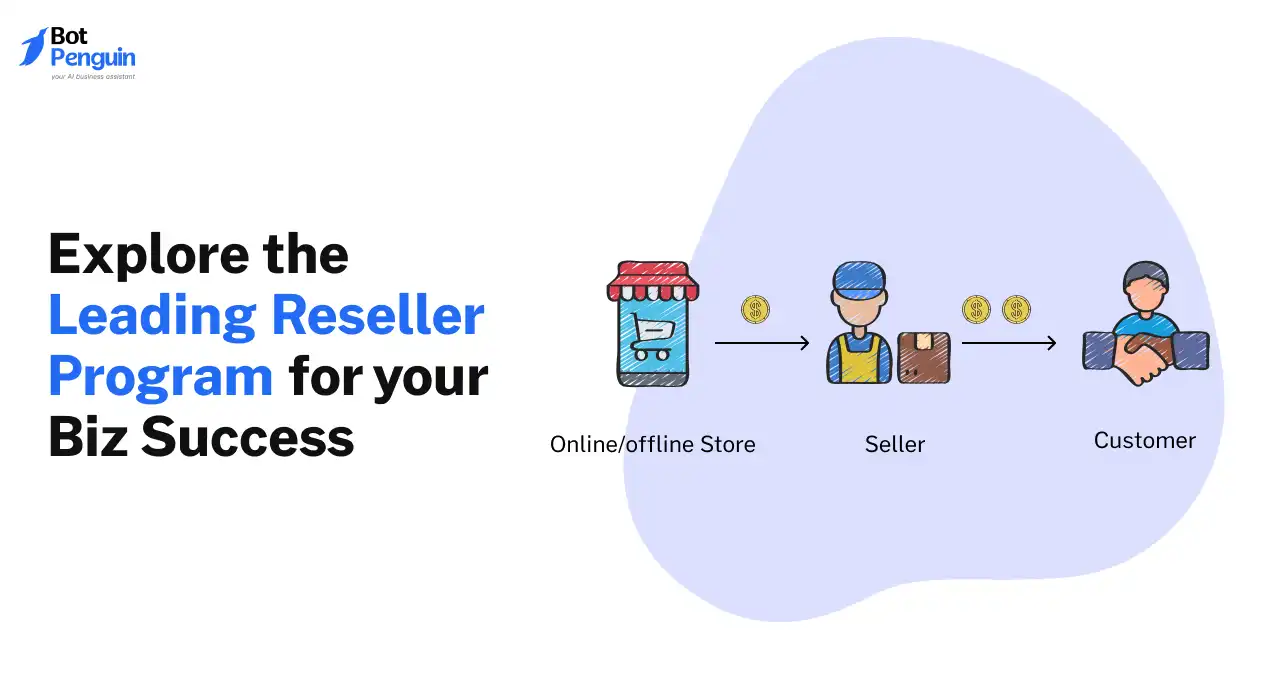
A software reseller is a company or individual that buys software licenses or subscriptions from developers or manufacturers at discounted rates and then sells them to consumers, businesses, or other organizations.

Instead of developing software, reseller software specialize in marketing and selling software products, managing customer relationships, and offering added-value services.
To become a software reseller, an individual or company will often enter into partnerships with the developers or manufacturers of the software.
The agreements enable the reseller software to purchase software licenses at a reduced cost. Software Resellers can then sell the licenses or subscriptions to end-users at a markup.
The terms of the agreement are usually defined for discounted pricing, support services, and the number of licenses to be resold.
While software resellers focus on selling software, many go a step further by offering additional services, such as installation, training, and customer support.
These value-added services differentiate them from competitors and allow them to provide more comprehensive solutions to clients
Unlike software developers who focus on creating and updating products, software reseller program prioritizes building strong relationships with customers, understanding their needs, and recommending software solutions that best suit their requirements.
There are different models of software reselling that cater to various customer needs and business goals. Understanding these types will help you decide which reselling model aligns best with your business strategy.
Traditional software reselling involves purchasing physical or digital software licenses in bulk and selling them individually to end-users. This model typically works for one-time purchase software products such as graphic design tools, antivirus software, or office productivity suites.
SaaS Reselling involves selling cloud-based software services that typically operate on a subscription model.
Unlike traditional software, SaaS products offer recurring revenue opportunities as customers pay for monthly or annual subscriptions.
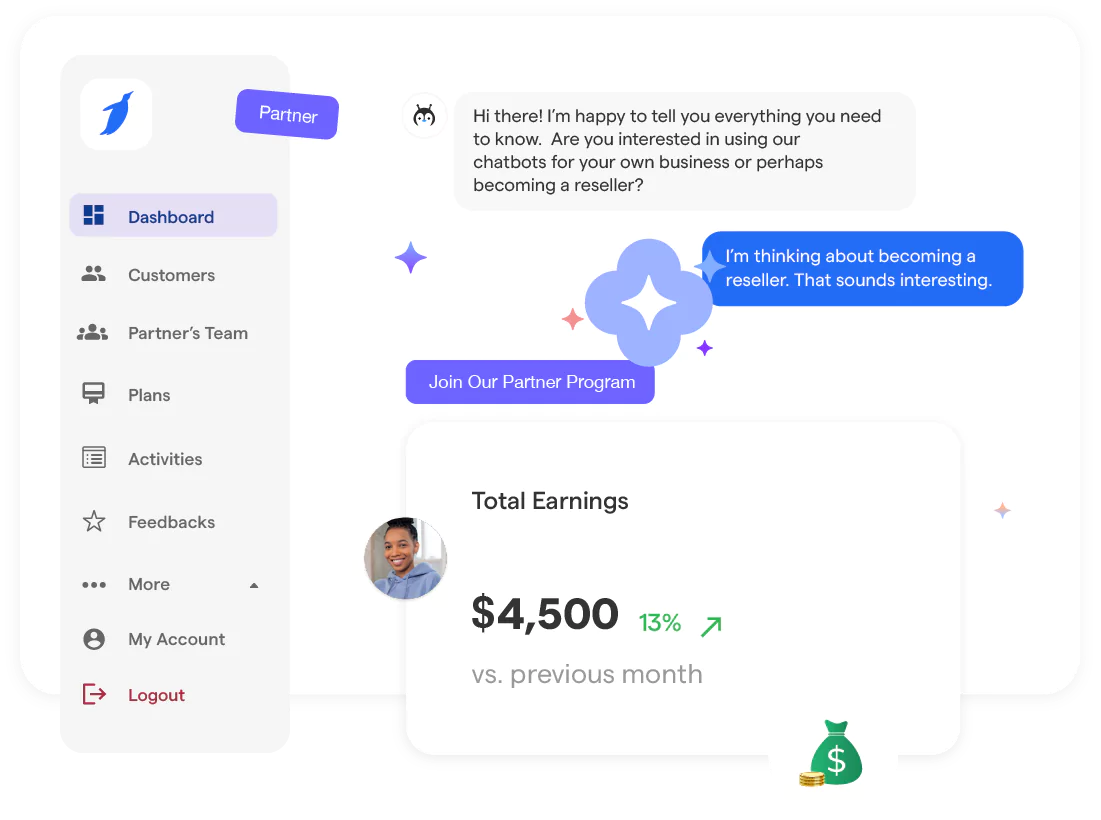
An emerging niche in software reselling is the sale of chatbot software, especially those powered by AI.
Chatbots have become essential tools for automating customer support, improving engagement, and providing efficient services.
As businesses increasingly adopt AI-driven solutions, chatbot reselling has become a lucrative opportunity.
Becoming a software reseller can be an extremely rewarding business venture, but it requires careful planning, strong partnerships, and an effective sales strategy.
To help you get started, here’s a detailed guide on how to become a successful software reseller.

The first step in becoming a software reseller is to select a niche. Specializing in a particular area allows you to focus your efforts and become an expert in that market, increasing your chances of success.
Consider focusing on a specific industry such as healthcare, education, or retail. By understanding the unique needs and challenges of a particular sector, you can offer tailored solutions and build a strong reputation in that field.
Example: If you target the healthcare industry, you might resell software like patient management systems or HIPAA-compliant communication tools.
Another approach is to specialize in a particular type of software, such as project management tools, accounting software, or cybersecurity solutions. This helps you build a strong brand identity within your chosen category.
Example: Specializing in accounting software like QuickBooks can help you attract businesses that need robust financial management tools.
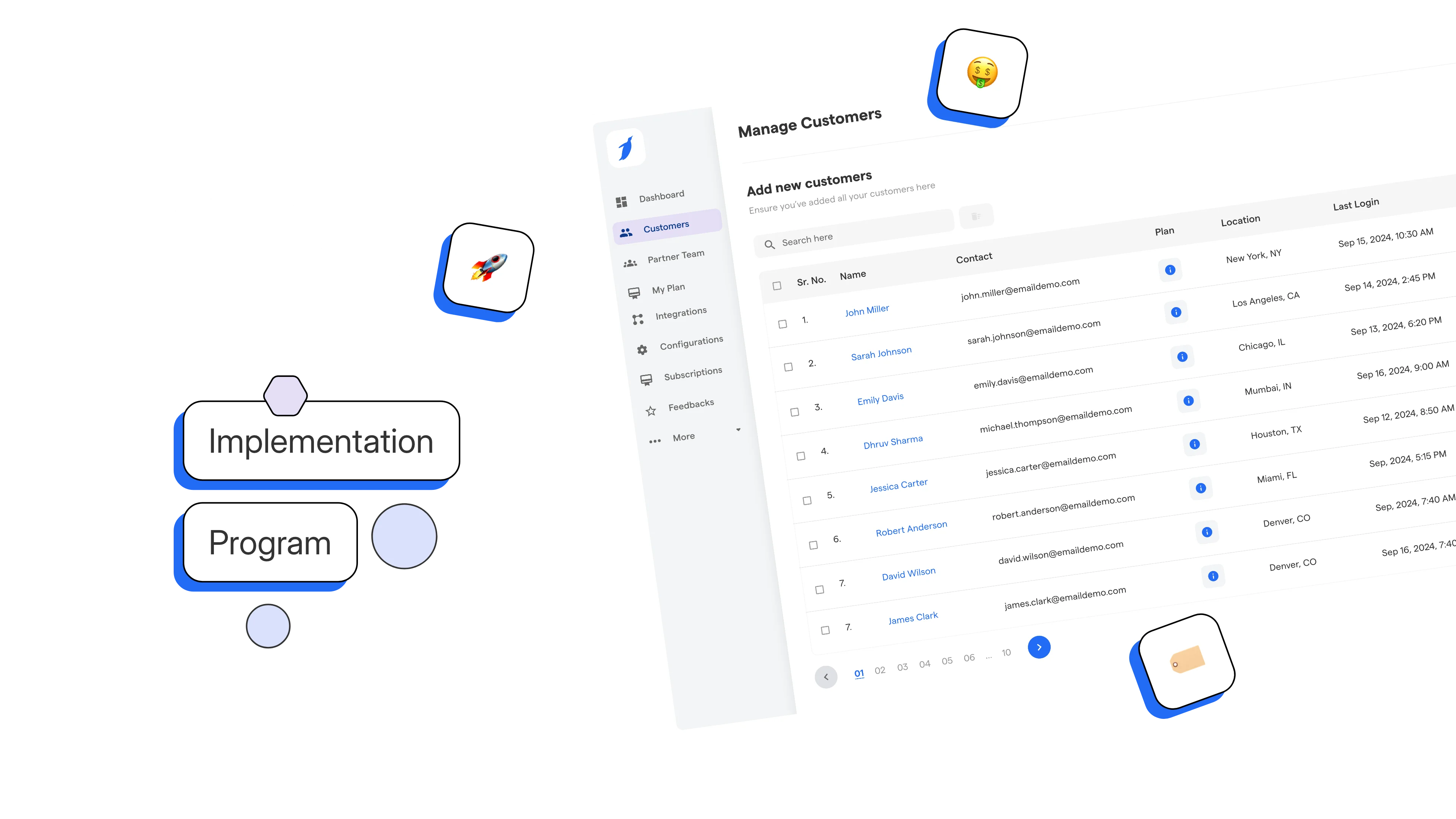
An innovative niche like chatbot reselling can set you apart from competitors. AI-powered chatbots, such as those offered by BotPenguin, help businesses automate customer support and boost engagement, making them a highly sought-after solution.
Example: By reselling BotPenguin, a chatbot platform, you can cater to businesses looking to enhance customer interactions through AI-driven automation.
To start reselling software, you need to partner with software developers who offer reseller programs. These programs provide you with the necessary licenses, resources, and support to begin selling their products.
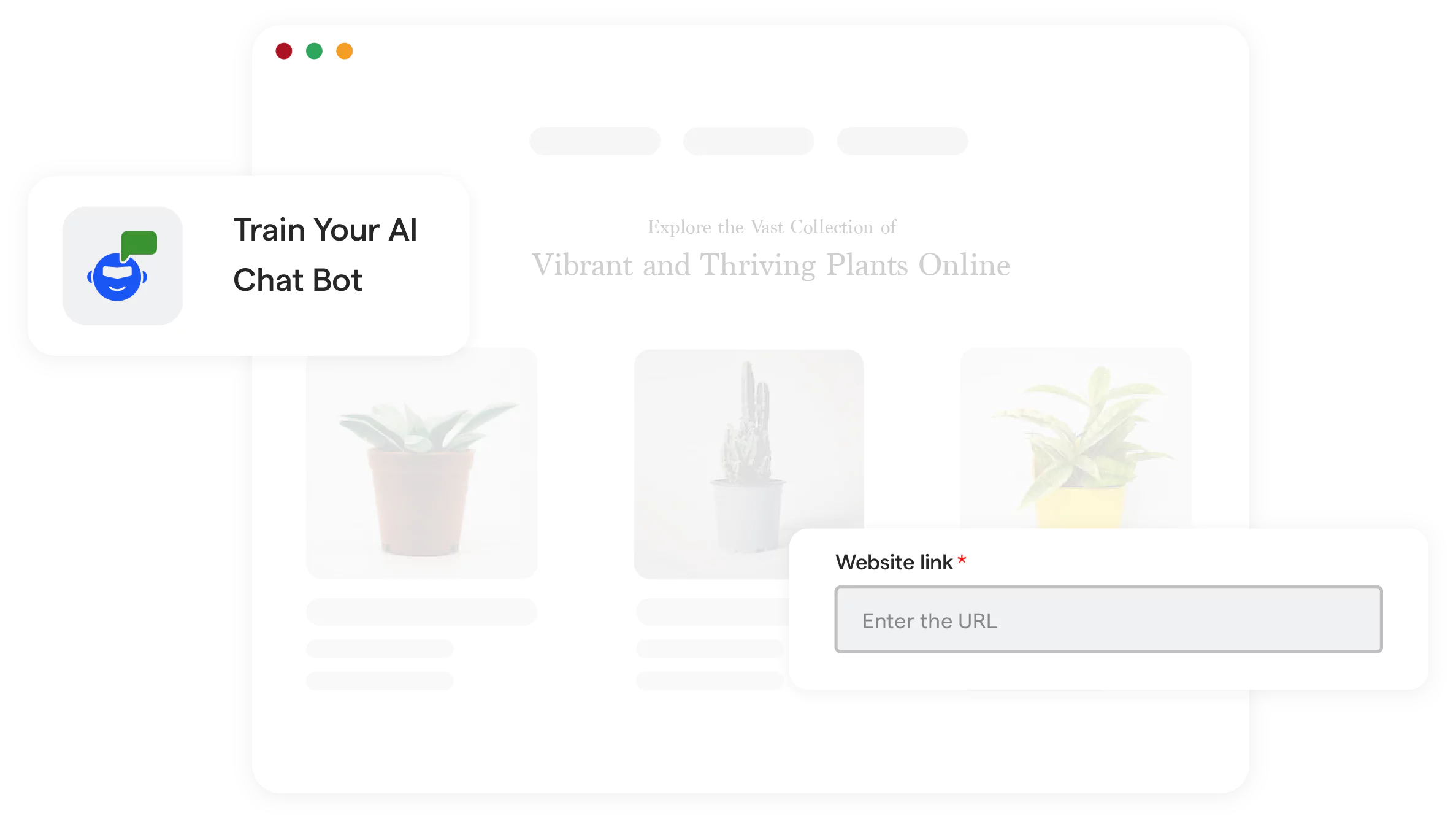
Look for software reseller programs that offer competitive margins, strong customer support, and marketing resources. Major companies like Microsoft, Adobe, and BotPenguin offer reseller programs with various benefits for resellers.
Example: Partnering with BotPenguin offers you access to a powerful AI chatbot platform that businesses can use to automate customer support and engagement.
Choose programs that offer attractive pricing structures and commission rates. Many programs offer bulk discounts, allowing you to mark up the price for a profit while still offering competitive pricing to your customers.
Example: Reselling Microsoft Office licenses might offer you a bulk discount, and you can resell them at a slightly higher price to generate profit.
Look for programs that offer training, technical support, and marketing materials. These resources are essential to understanding how to sell software and support the software effectively.
This is especially important when dealing with complex software like SaaS products or AI-driven tools.
Example: BotPenguin offers onboarding tutorials and marketing materials to help software resellers understand the product and market it successfully.
Once you’ve joined a software reseller program, the next step is setting up a platform where you can sell your software. This will be your business’s digital storefront.
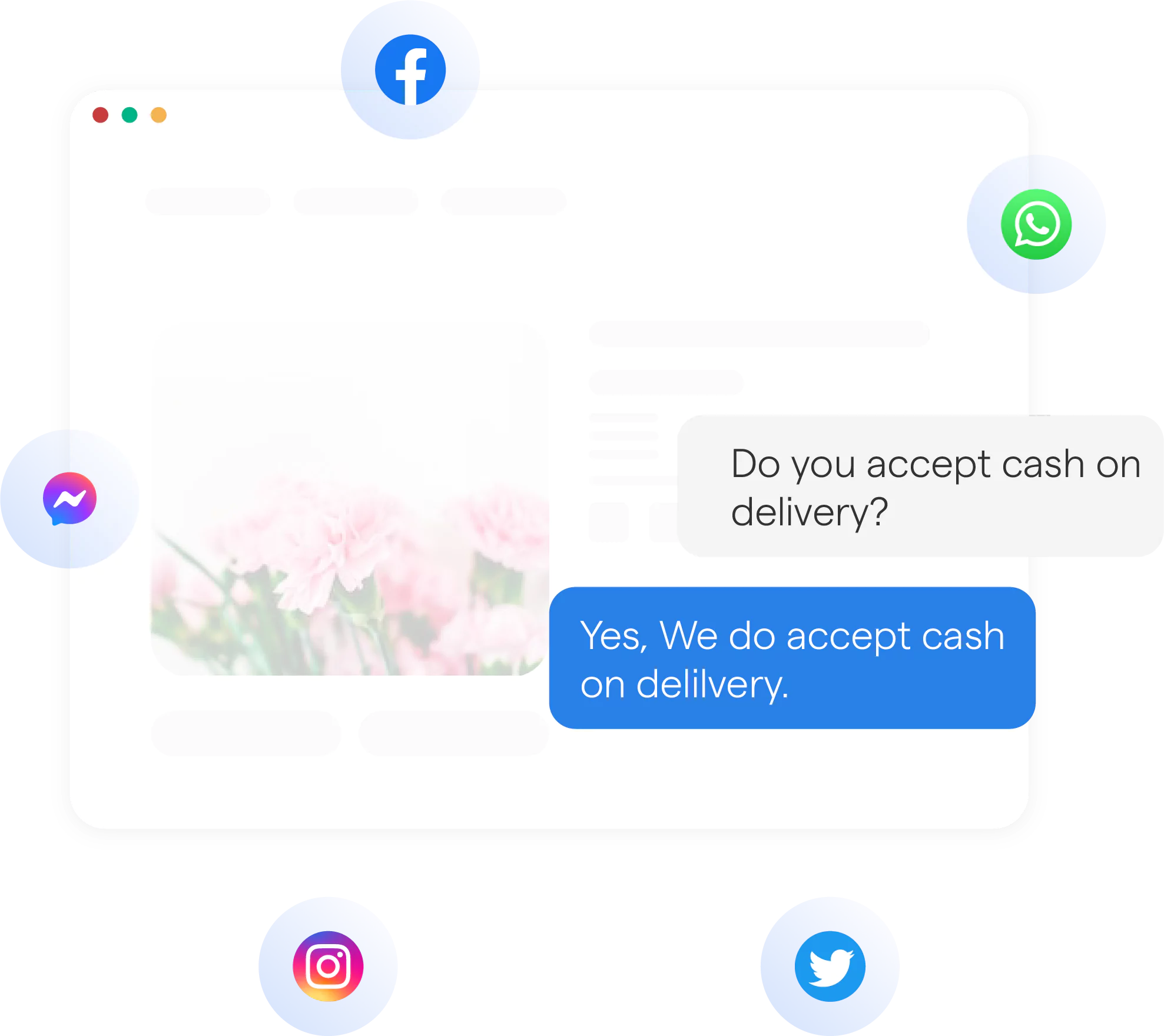
Build a website or e-commerce platform where customers can explore your software offerings, learn about the features, and make purchases.
Be sure to optimize your site for search engines using keywords like "software reseller," "reseller software," and "how to sell software" to improve your visibility.
Example: A website where customers can browse and purchase SaaS solutions like Salesforce or BotPenguin chatbots can attract organic traffic and generate sales.
Develop a marketing strategy that includes SEO, social media marketing, email campaigns, and paid ads. These tools will help you attract potential customers and convert them into buyers.
Example: Run targeted social media ads on platforms like LinkedIn or Facebook to reach businesses that may need the software you’re offering.
Providing exceptional customer service is crucial for success. Use tools like chatbots (such as BotPenguin) to automate customer support, answer common questions, and guide potential customers through the purchasing process.
Example: Set up a BotPenguin chatbot on your website to help customers find the software they need and answer questions instantly.
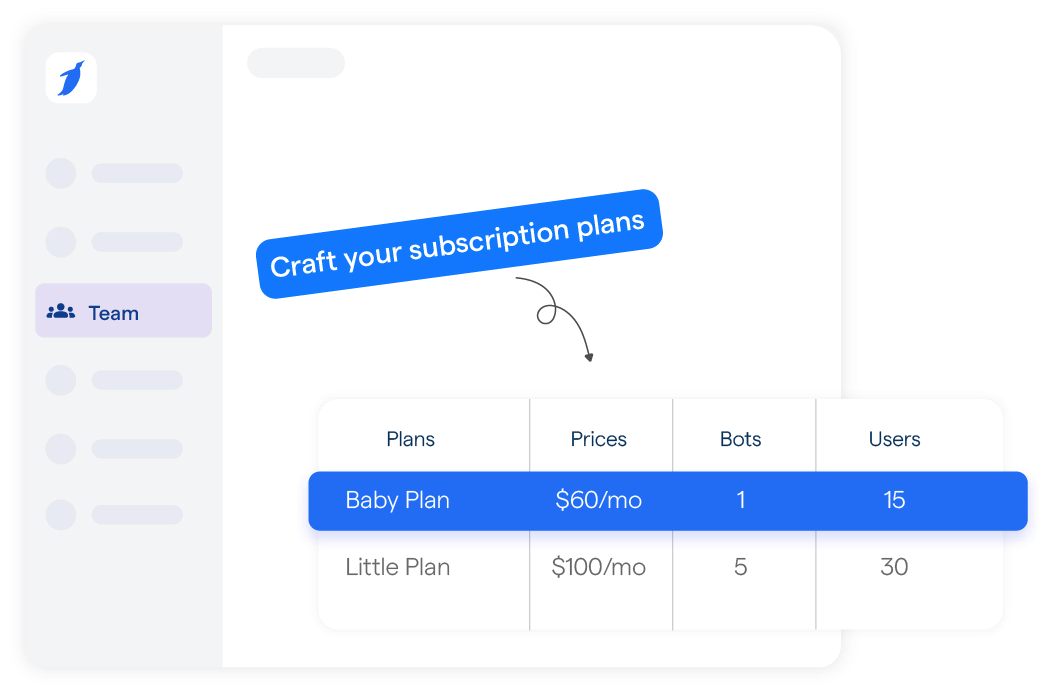
Effective marketing is crucial to the success of your software reseller program business. You'll need to attract customers, educate them about your products, and guide them through the buying process.
Write blogs, guides, and tutorials that educate your audience about the benefits of the software you’re reselling. These resources can help build trust with potential buyers and position you as an expert in your niche.
Example: Write a blog about the benefits of AI chatbots for customer service, and highlight BotPenguin as a top choice for businesses seeking to automate customer interactions.
Leverage platforms like LinkedIn, Facebook, and Instagram to showcase your software and engage with potential customers. Share success stories, product demonstrations, and client testimonials to increase interest in your offerings.
Example: Post a video demonstrating how businesses can integrate BotPenguin chatbots into their website or eCommerce platform to improve customer service.
Gather and share testimonials from satisfied customers to build credibility and influence potential buyers. Positive feedback can help prospective customers feel confident in your software solutions.
Example: Share a testimonial from a customer who saw increased engagement and customer satisfaction after implementing a BotPenguin chatbot.
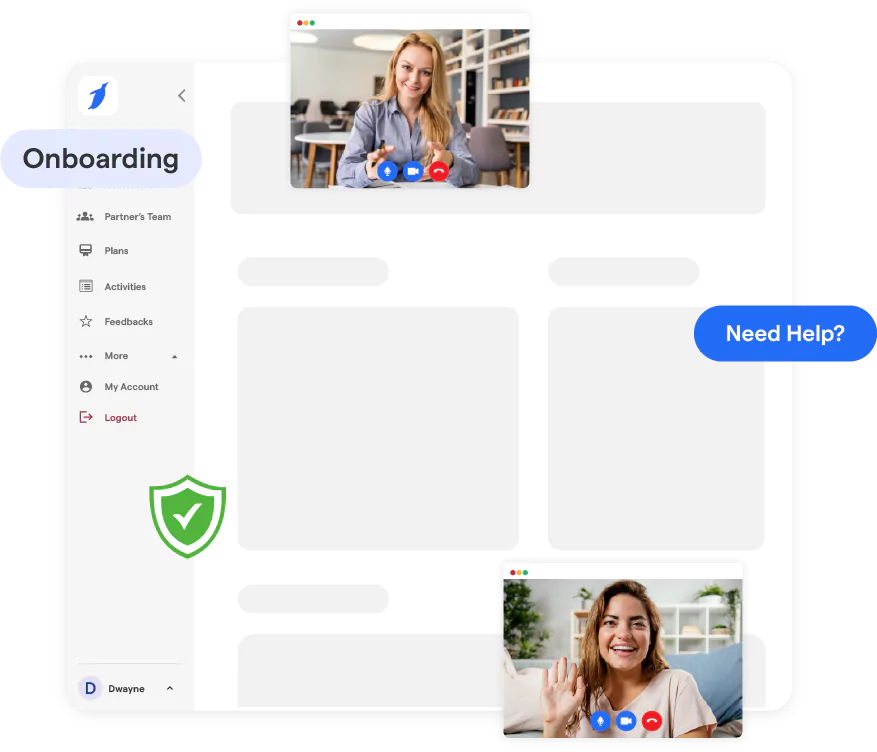
Once you’ve secured customers, the next step is to manage and nurture those relationships to ensure long-term success.
Offer technical support, training, and regular updates to help customers get the most out of their software. This is especially important for complex software like SaaS products or AI-driven tools.
Example: Provide training sessions or tutorials for customers using BotPenguin to ensure they maximize its potential.
Regularly check in with customers to inform them about new features, updates, or complementary products they might need. Upselling additional products can boost your revenue and strengthen customer relationships.
Example: Inform customers about new BotPenguin features that enhance the chatbot’s capabilities and encourage them to upgrade.
Implement a loyalty program to reward repeat customers with discounts, exclusive products, or early access to new software offerings. This fosters customer loyalty and encourages repeat purchases.
Example: Offer a discount or additional services for customers who purchase multiple BotPenguin licenses or renew their subscription.
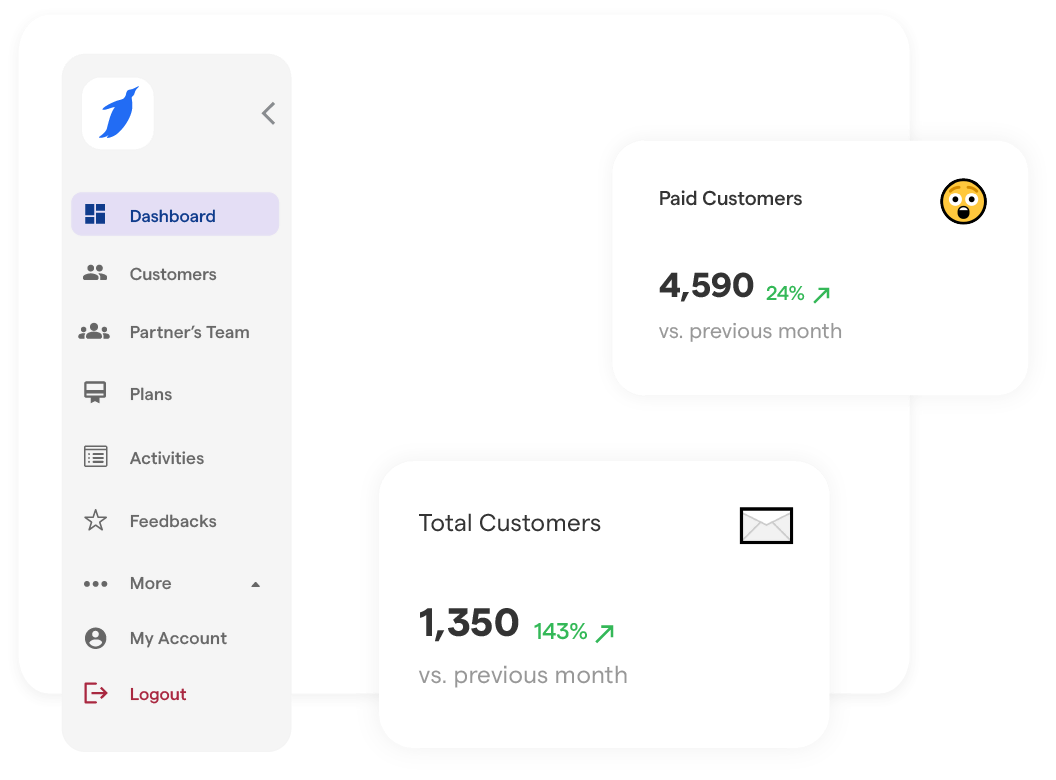
Before diving into the world of becoming a software reseller, it’s essential to understand the advantages and disadvantages of this business model.
Whether you’re considering reselling popular SaaS products, chatbot solutions, or other types of software, weighing the pros and cons can help you make an informed decision.
In a nutshell, becoming a software reseller has been very lucrative and flexible business lately; it makes all the difference if you select the right niche and deal with only respectable software providers.
The low start-up costs, potential for recurring revenue through SaaS products, and scalability make the software reseller model appealing for entrepreneurs looking for long-term profitability.
However, it's crucial to understand the challenges such as dependence on software developers, high competition, and limited control over pricing. To succeed, a software reseller must be adaptable, offer added value, and target the right audience with effective marketing strategies.
Whether reselling AI-powered chatbots like BotPenguin or SaaS solutions, success in the software reseller business comes from staying updated and constantly developing your products while keeping the line to customer relationships strong. Rightly approached, software reselling might be a highly rewarding and sustainable business opportunity.
While technical expertise can help, it's not required. Many software resellers focus on sales, marketing, and customer support, relying on the software vendor for technical implementation and maintenance.
As a software reseller, you can resell business tools, CRM systems, cybersecurity software, and chatbot software like BotPenguin, which is increasingly popular for automating customer service.
Profitability as a software reseller varies by niche and market demand. Subscription-based software like SaaS provides recurring income, and offering added value, such as support and customization, can boost profit margins.
Software resellers can attract customers by leveraging digital marketing, offering free trials, and maintaining excellent customer service. Networking and word-of-mouth referrals also play a significant role.
Software resellers often face challenges like market saturation and pricing competition. Overcome these by offering exceptional support, unique service bundles, and establishing credibility in your niche.
A software reseller sells directly to end-users, adding value like customer support, while a distributor typically works as a middleman between vendors and resellers, focusing on bulk transactions.
Some software reseller programs allow white-labeling, enabling you to brand the software as your own. This is ideal for businesses aiming to build a unique identity while selling software.
Subscribe to Our Newsletter
Get the latest business insights straight into your inbox.
Checkout our related blogs you will love.
Updated at Apr 28, 2026
10 min to read

Updated at Mar 13, 2026
10 min to read
Updated at Mar 3, 2026
100 min to read
Updated at Nov 7, 2025
100 min to read
Table of Contents