


How Project Tracking Automation Elevates Real Estate Development
Updated at Feb 11, 2026
15 min to read
Updated On Jan 2, 2026
11 min to read
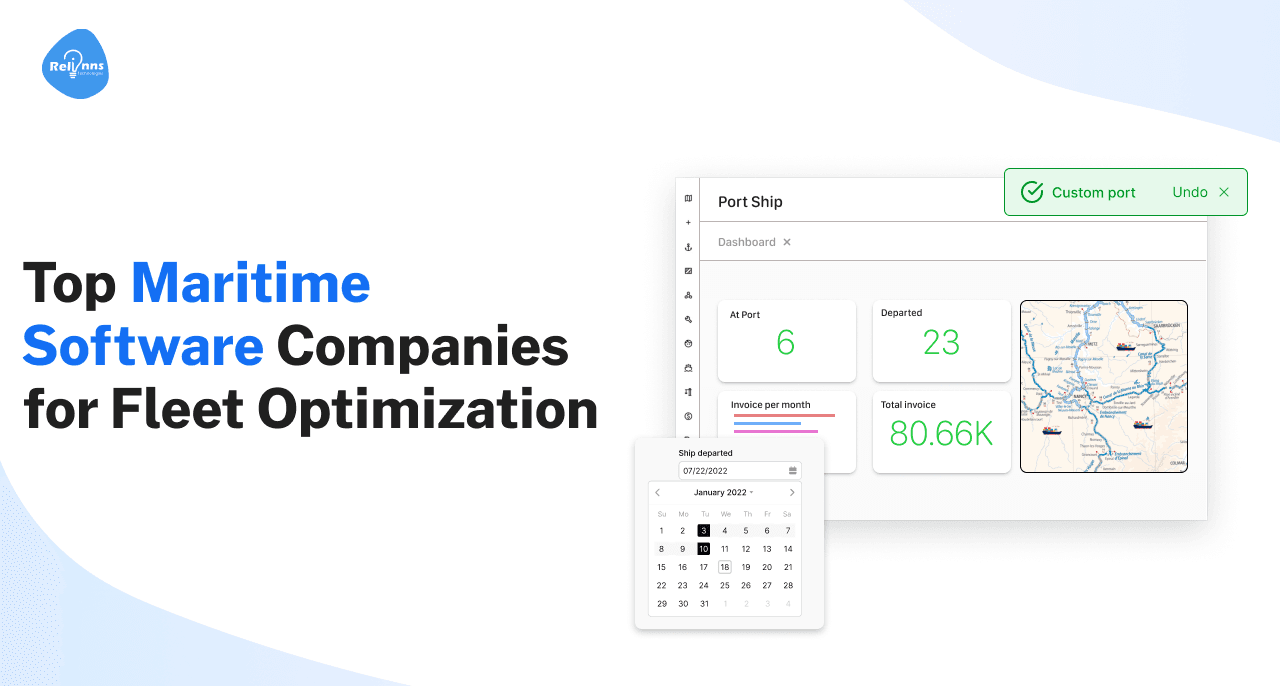
Software Companies specializing in maritime applications have become an essential resource as the shipping industry adapts to the complexities of global trade.
They provide real-time visibility into vessels, support port digital logistics, comply with government regulations, and support predictive maintenance.
Many maritime companies moving forward to optimize their businesses are implementing maritime application Companies or marine fleet management software to prepare for regulatory enforcement reforms.
The purpose of this article is to provide a comprehensive list of the ten best Maritime Software Companies operating today. Each Company's platform has been categorized by the strengths it offers, how it functions in the real world, when and where to apply them, and its rates (if known) and verified ratings.
These Companies can help maritime leaders operate faster, efficiently, and with reduced environmental impact.
Leading maritime software companies in the shipping industry are using automation, analysis, and the integration of no-code tools to create a new global shipping paradigm.
Increasing regulatory compliance and fuel prices require more effective fleet operations, reduced CO2 emissions, and real-time management of fuel usage, made possible by these technology platforms.
Regardless of whether you're scaling the cargo side of your business, improving your coastal logistics, or both, having the correct digital partner is essential to your success.
Use this side-by-side view to evaluate each platform's strengths. These maritime software companies offer distinct capabilities across tracking, compliance, automation, and operational insight.
Tool | Best For | Highlight Feature | G2 Rating / Market Reach |
| Relinns Technologies | Custom port and maritime workflow automation | Port management with real-time approvals and cargo validation | 4/5 on Clutch |
| Kongsberg Digital | Real-time fuel and emissions tracking | Digital twin + live emissions dashboard | Used by 500+ MSC vessels |
| StormGeo | Weather-optimized routing | AI voyage routing with real-time forecasts | Used on 13,000+ vessels |
| MarineTraffic | Vessel tracking and port planning | Global AIS with mobile support | 4.6/5 |
| DNV Veracity | Regulatory and emissions data management | Compliance-ready platform for EU ETS, CII, and MRV | Trusted by 2,000+ fleets |
| Kaleris (Navis) | Terminal automation | Navis N4 with yard and crane control | 4.3/5 |
| ABB Marine | Hybrid/electric vessel automation | Integrated bridge and energy management systems | Installed globally |
| Veson Nautical | Commercial voyage and charter management | IMOS platform with TCE and P&L tracking | 4.2/5 |
| Spire Maritime | Long-range vessel tracking via satellite | Satellite AIS with advanced ocean weather data | 4.4/5 |
| OrbitMI | Fleet-wide analytics for mid-size operators | Real-time performance dashboard with alerts | 4.5/5 |
| Nautilus Labs | Predictive AI for voyage efficiency | An AI engine that cuts CO₂ and fuel consumption | 4.6/5 |
Relinns Technologies builds custom maritime and port software for operators who need workflows tailored to their exact vessel, cargo, and terminal realities. Across recent maritime logistics projects, Relinns has delivered end-to-end platforms for supply chain coordination, live vessel tracking, cargo validation, dispatch approvals, and port operations automation, using scalable low-code and cloud architectures.
Best For: Maritime companies and port authorities that want bespoke software instead of off-the-shelf tools, especially when operations involve complex approvals, multiple stakeholder roles, or fragmented tracking systems.
Best Use Case: Custom-built port management systems and shipping supply chain platforms that unify vessel, cargo, dispatch, and compliance workflows into one real-time control layer.
Pricing: Custom development only. Quote-based. Pricing depends on scope, number of modules, integrations, and rollout scale.
Relinns is a strong pick for maritime leaders seeking custom-built digital infrastructure for fleets, terminals, and port logistics, delivering measurable gains in speed, accuracy, and operational control.
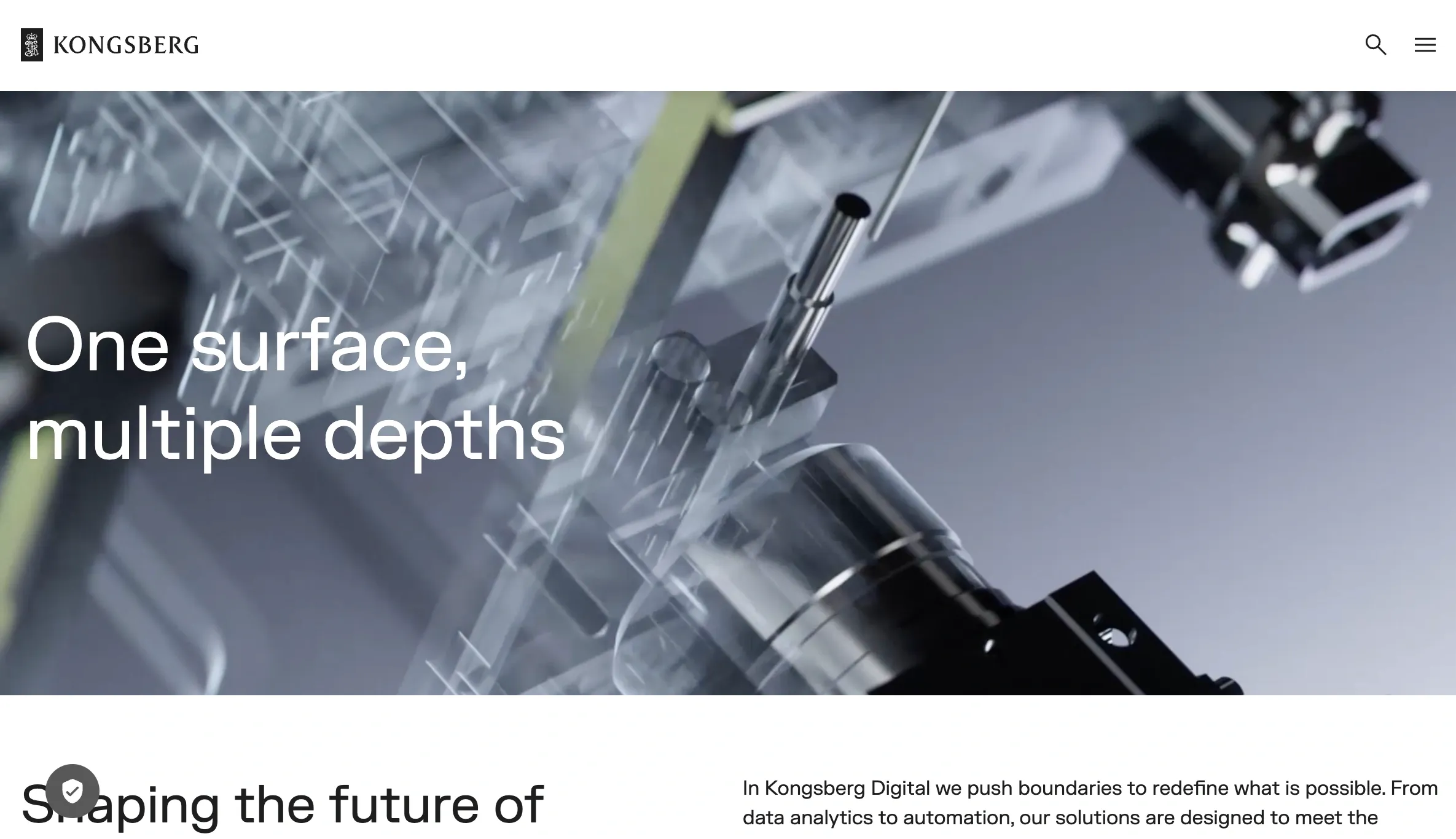
Kongsberg Digital is a leader among maritime-focused enterprise application developers, offering real-time data integration for fleet optimization.
Its Vessel Insight and Kognitwin platforms help shipowners digitize vessel operations, monitor fuel use, and reduce carbon output. These tools are trusted by global fleets aiming for more intelligent performance control.
Best For: Fleets needing predictive insights for performance and emissions
Best Use Case: Cloud-based optimization across bulk, tanker, and container vessels
Pricing: Large-scale enterprise contracts; MSC rolled out to 500+ ships
This enterprise software development firm helps fleets digitize operations through intelligent marine dashboards and automation.
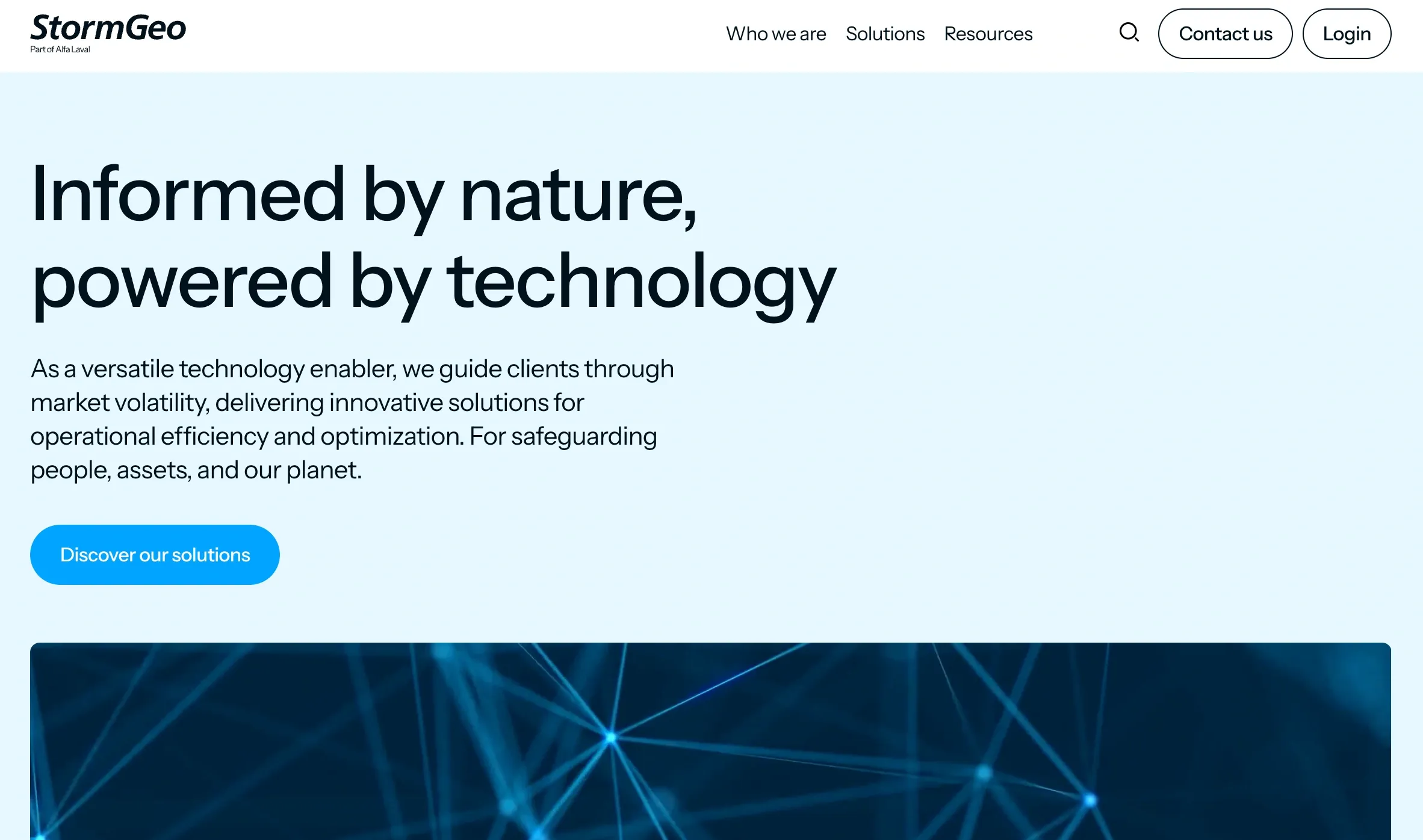
StormGeo specializes in weather-driven routing systems that improve voyage safety and cut emissions. Its platform uses AI and oceanographic forecasts to optimize routes for cost and compliance.
As a trusted name among enterprise application developers, StormGeo delivers real-time advice to reduce fuel and increase efficiency.
Best For: Fleets needing more innovative voyage routing and decarbonization tools
Best Use Case: Weather-optimized routing for emissions-controlled zones
Pricing: Tiered licenses based on route volume and vessel count. Quote-based.
This enterprise software development firm enables real-time voyage decisions powered by ocean and fuel analytics.
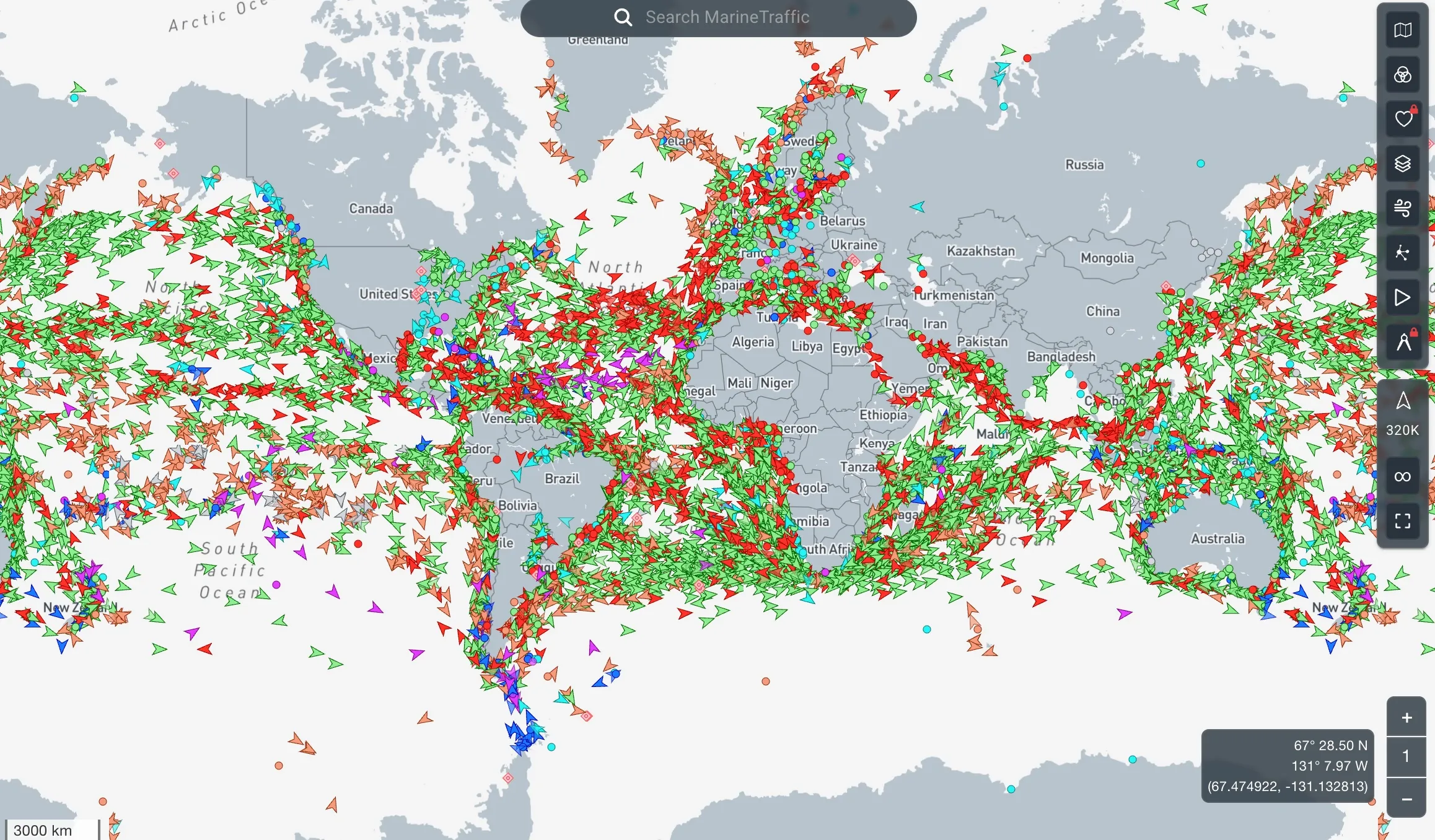
MarineTraffic is a global vessel-tracking platform known for its vast AIS coverage. It helps shipping companies and ports access real-time fleet visibility through web and mobile.
Used by thousands of enterprise application developers, MarineTraffic strengthens transparency and improves planning for port arrivals and charter operations.
Best For: Real-time vessel tracking and port monitoring
Best Use Case: AIS data dashboards for operations and logistics
Pricing: Freemium model. Paid plans start at $9-$12 per month (prices vary by plan/region).
This custom enterprise software company powers global marine visibility through accurate, scalable vessel intelligence.
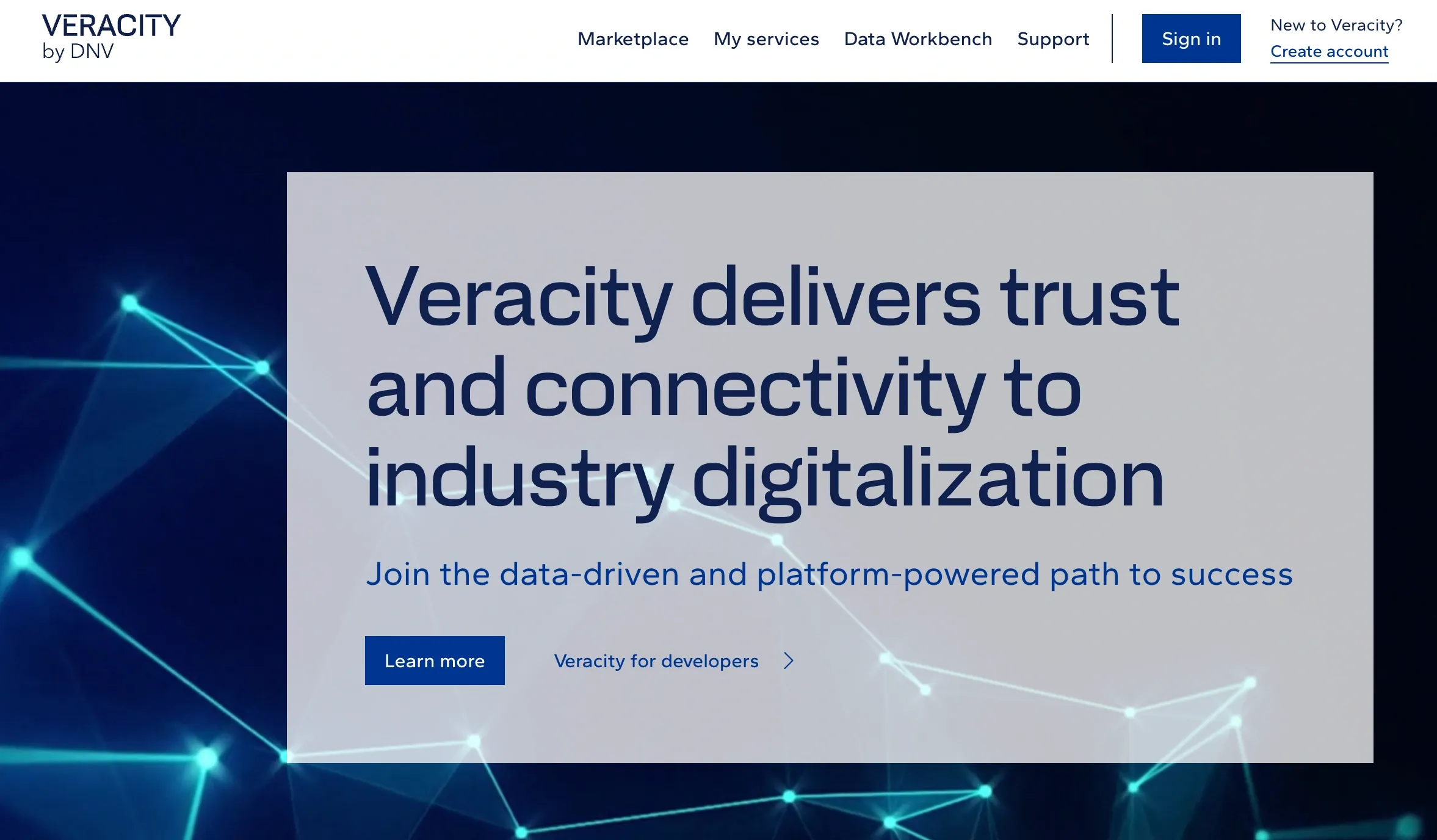
DNV Veracity is a maritime data platform built by classification society DNV. It enables enterprise application developers to unify emissions, safety, and performance data across their vessels.
With over 35,000 ships connected, Veracity is one of the most trusted platforms for regulatory and operational data control.
Best For: Compliance and emissions data integration across large fleets
Best Use Case: Automated EU ETS, MRV, and CII tracking from verified sources
Pricing: Compliance modules have published annual fees (e.g., MRV/ETS services). Full Veracity platform pricing is tailored by fleet size.
This enterprise software development firm leads in verified maritime analytics and automated data sharing.
Suggested Reading: The Role of AI in Ship Management: Future Trends
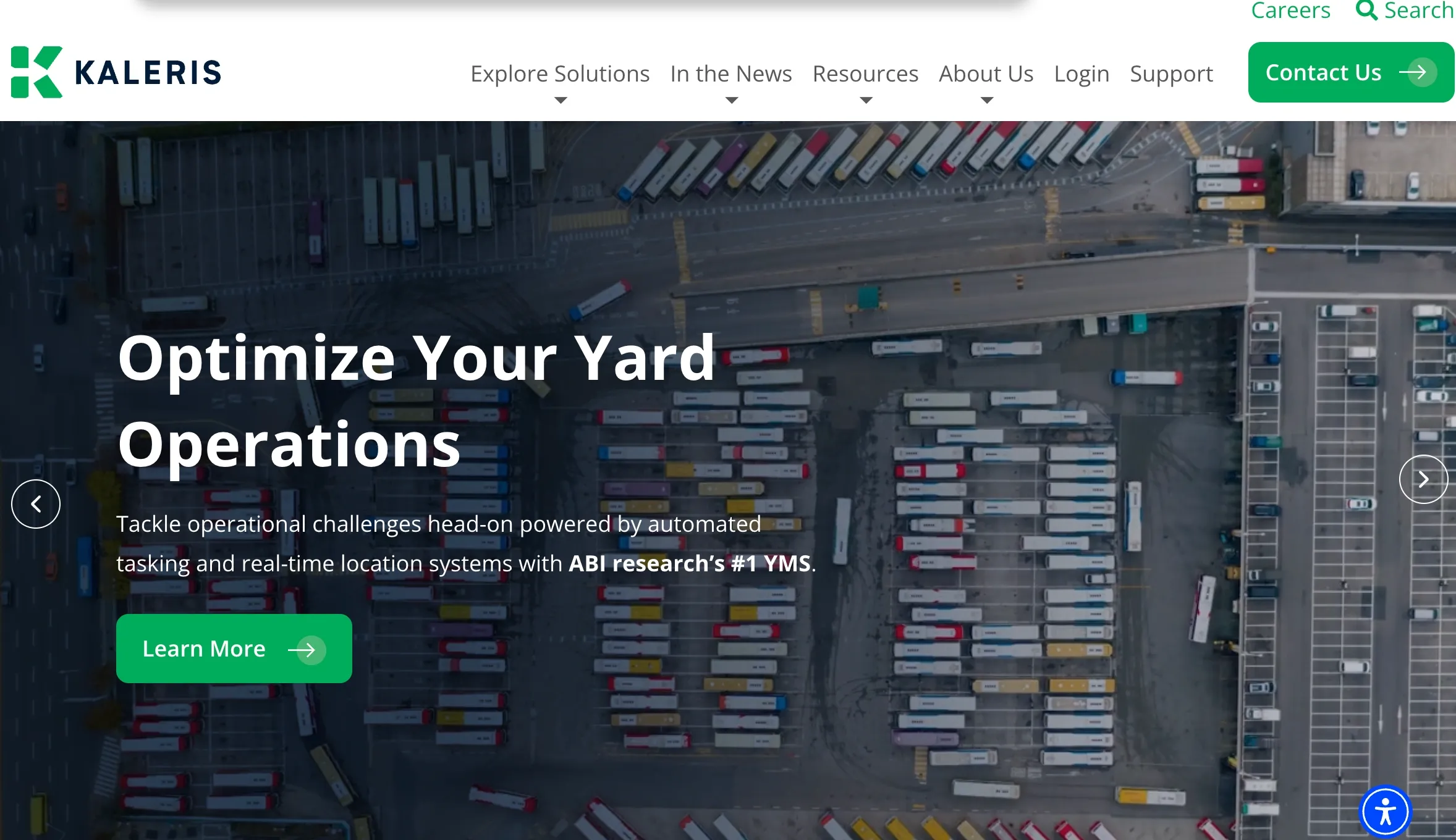
Kaleris, the parent of Navis, offers terminal and port operation systems that automate container flow and berth planning.
Designed for logistics teams and enterprise application developers, it enhances throughput, reduces wait times, and supports full-stack yard operations.
Best For: Terminal operators and large-scale port authorities
Best Use Case: Real-time gate, crane, and berth optimization
Pricing: Based on terminal size and operational modules. Quote only.
As a custom enterprise software company, Kaleris delivers measurable gains in speed and automation in port logistics.
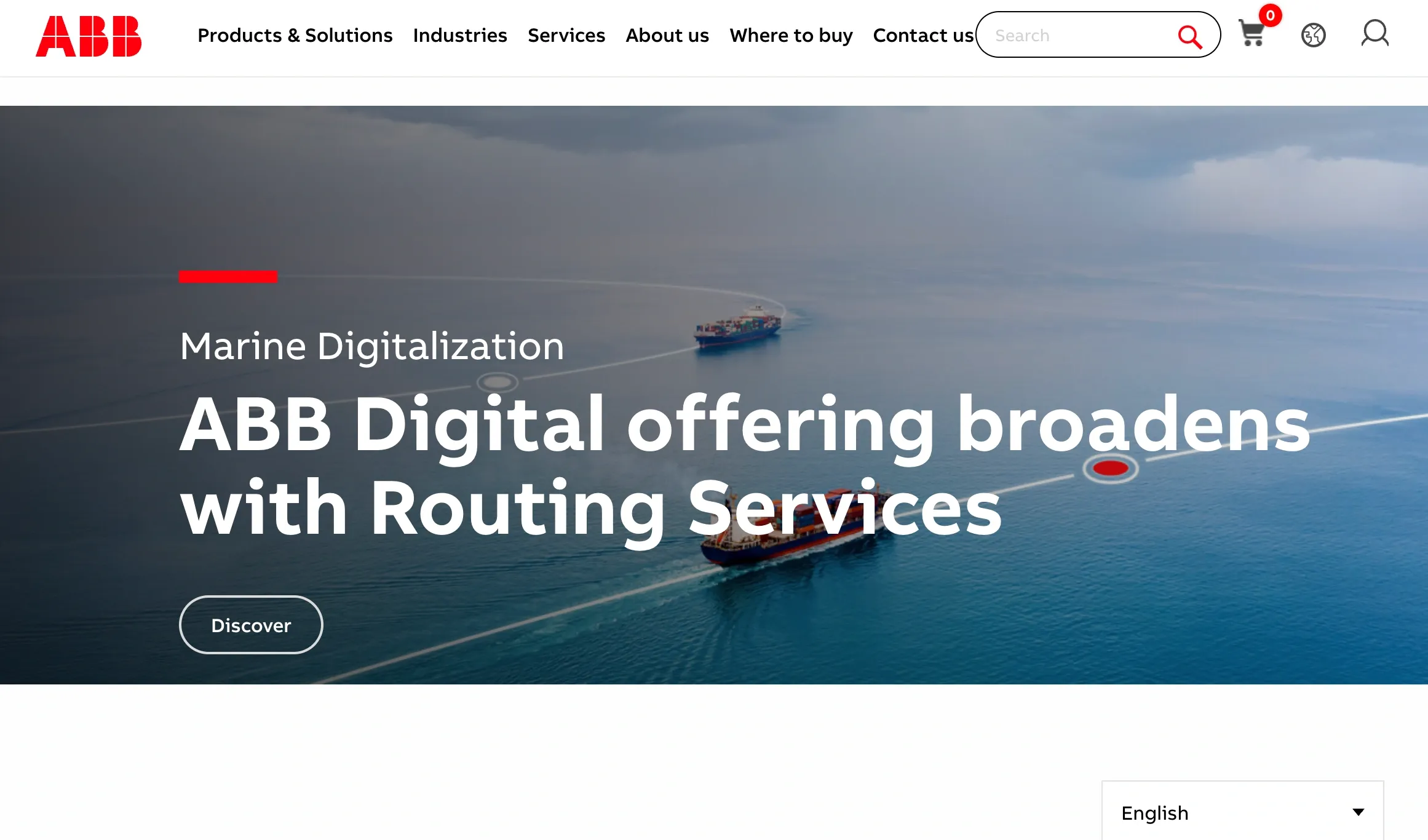
ABB Marine offers automation and energy systems for ships and ports. Its digital marine tools are trusted by technical teams and enterprise application developers looking to optimize hybrid and electric vessels.
ABB also provides remote diagnostics and bridge systems for smart fleet operation.
Best For: Electrified or hybrid fleets needing automation and diagnostics
Best Use Case: Integrated control for energy, propulsion, and shipboard systems
Pricing: Pricing depends on vessel, automation, and energy system configuration. Quote only.
This enterprise software development firm combines hardware and analytics for fleet electrification and intelligent control.
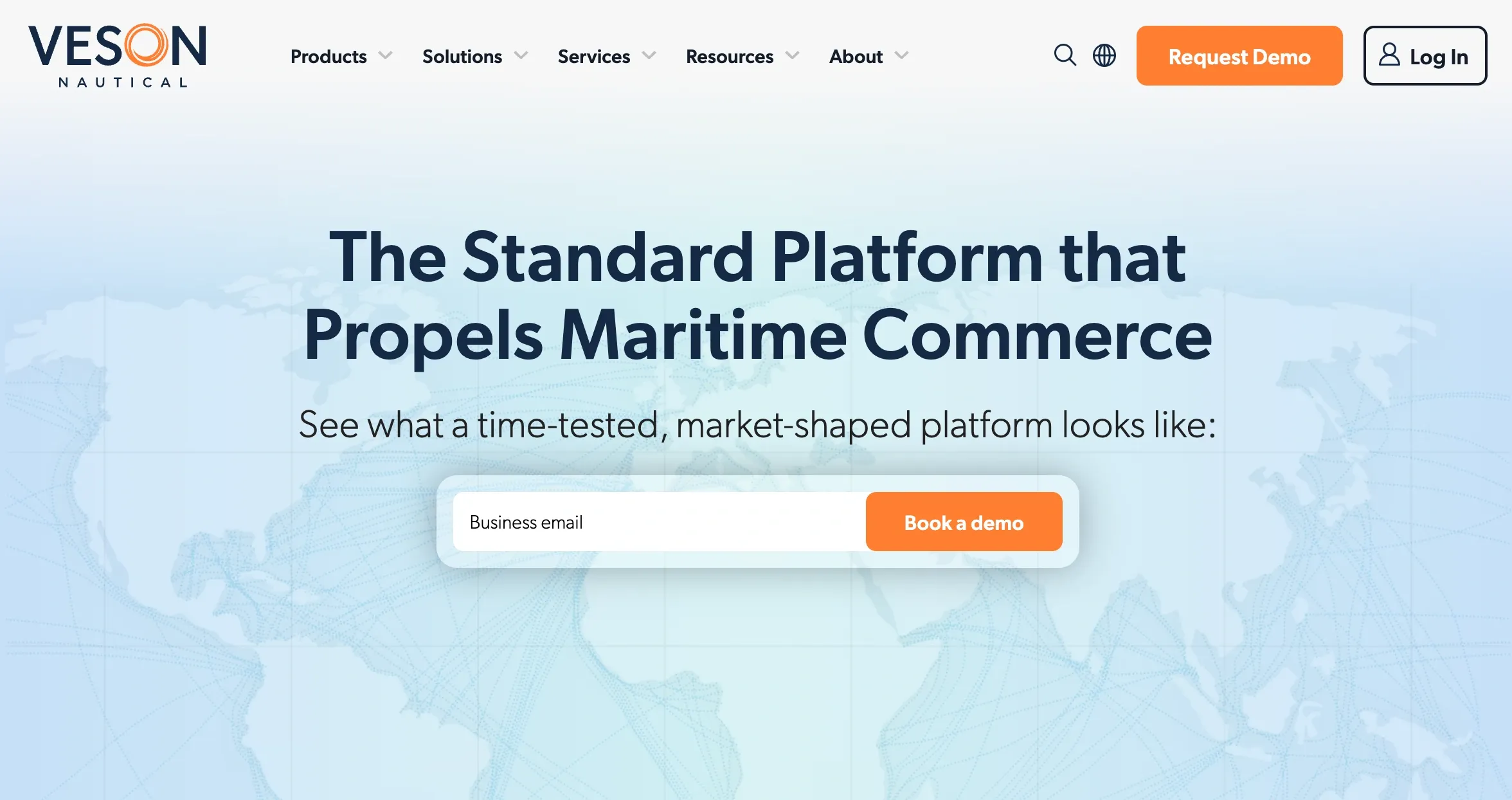
Veson Nautical delivers commercial voyage management software for shipowners, charterers, and operators. Its IMOS platform helps enterprise application developers digitize contracts, voyage accounting, and performance analytics.
It’s a key tool for companies needing complete visibility across commercial shipping workflows.
Best For: Managing charter parties, TCE, and P&L in commercial fleets
Best Use Case: Centralized commercial operations across tankers and dry bulk fleets
Pricing: Mid-to-enterprise; Subscription pricing scaled by modules, users, and fleet size. Quote only.
This enterprise software development firm powers the commercial engine of maritime trade with actionable analytics.
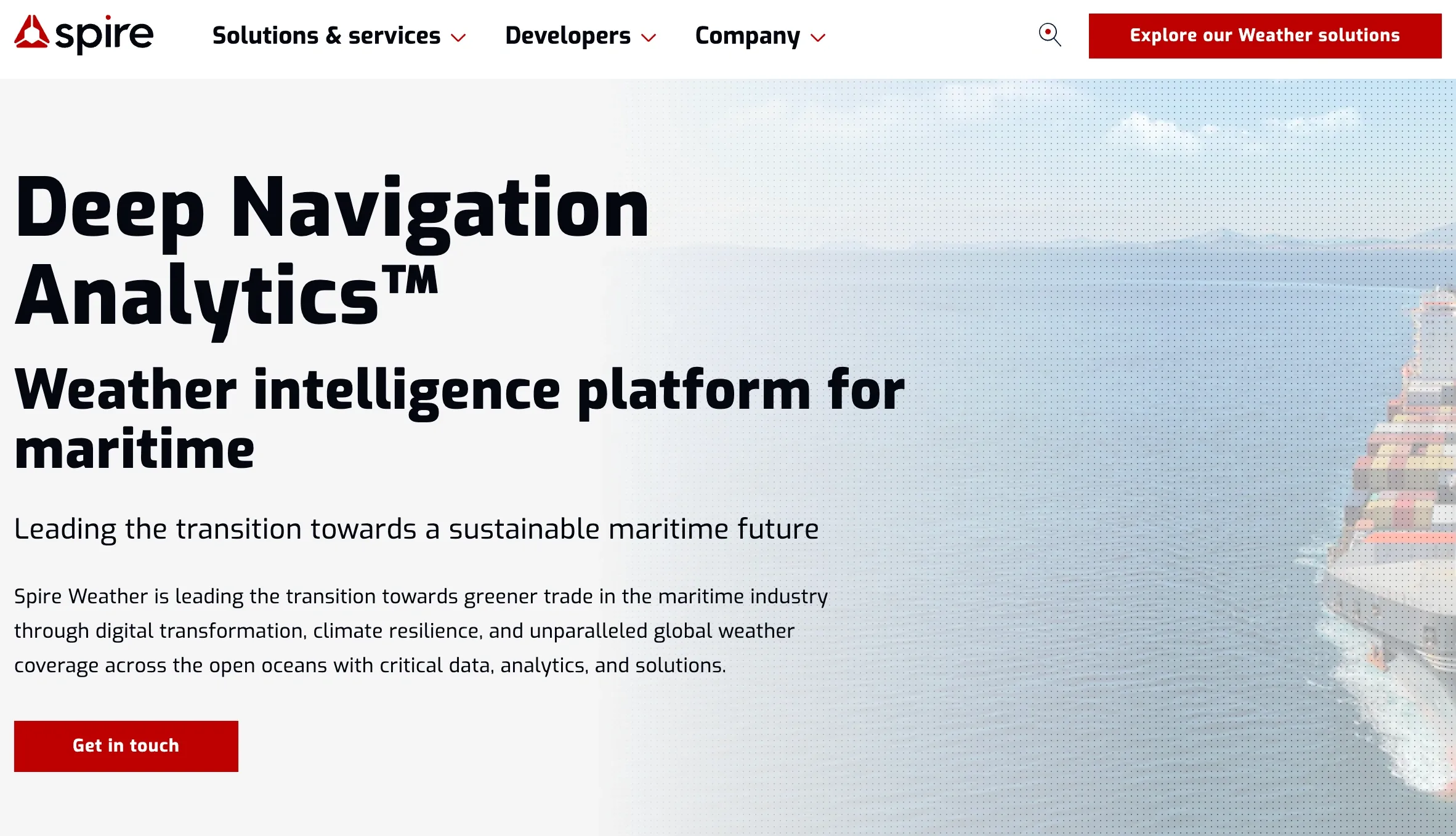
Spire Maritime offers satellite AIS and weather intelligence for advanced routing and fleet tracking.
It enables enterprise application developers to build predictive models and improve visibility even in remote zones. Spire’s APIs are trusted across shipping, ports, and insurers.
Best For: Satellite-driven route forecasting and weather coverage
Best Use Case: Long-range tracking and predictive navigation for global fleets
Pricing: Subscription-based, per vessel or data package. Custom quote.
This custom enterprise software company helps fleets gain 24/7 visibility beyond shore-based limits.
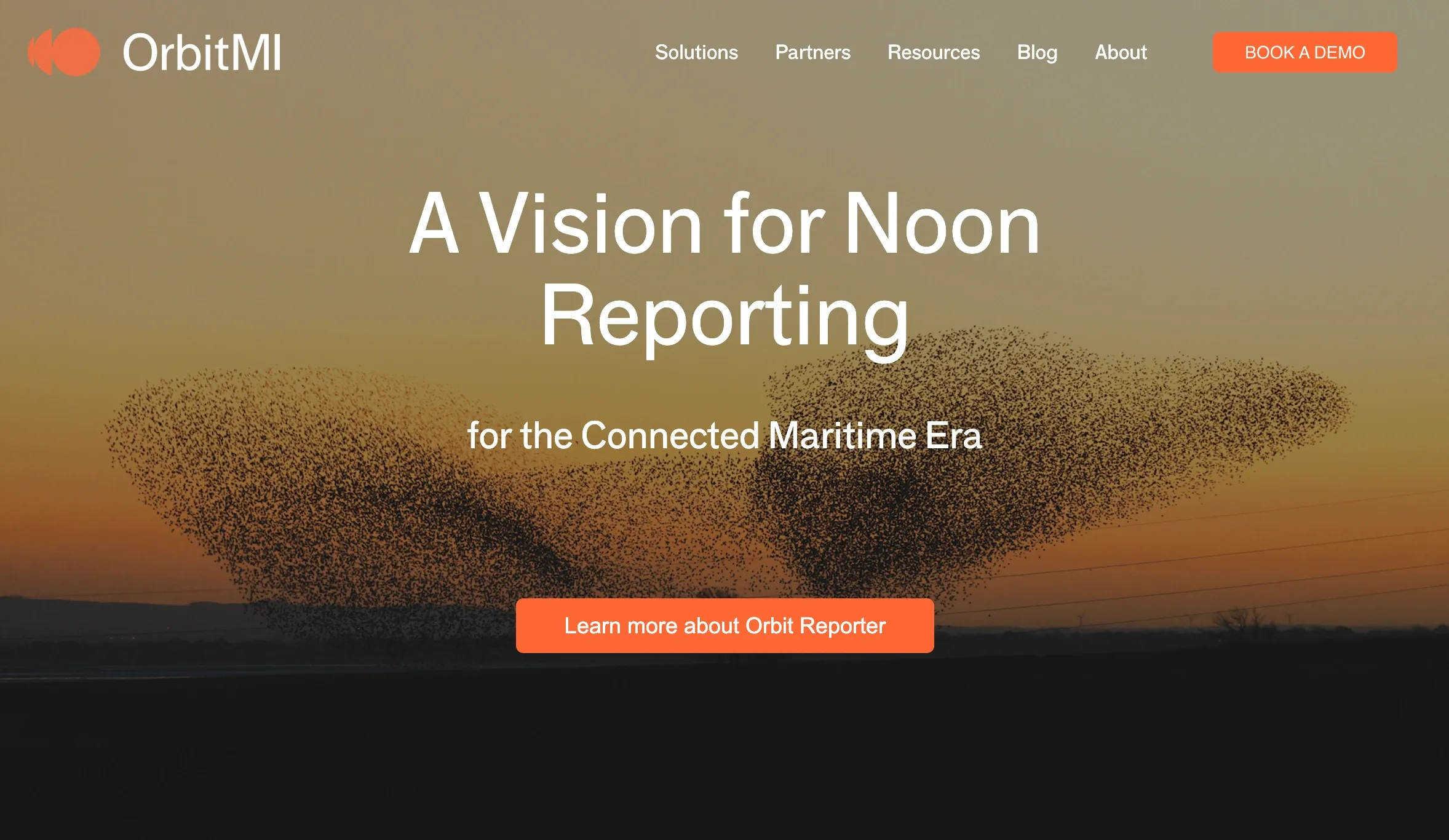
OrbitMI transforms raw ship data into smart business intelligence. It supports enterprise application developers by consolidating voyage, fuel, and weather data into one dashboard.
Its cloud-based platform is optimized for mid-size operators seeking rapid reductions in carbon and costs.
Best For: Small-to-mid shipping companies needing real-time decision dashboards
Best Use Case: Fleet-wide optimization of fuel, CO₂, and route performance
Pricing: SaaS pricing customized per fleet size and selected analytics modules. Quote only.
This enterprise software development firm makes innovative performance tools accessible for modern fleet managers.
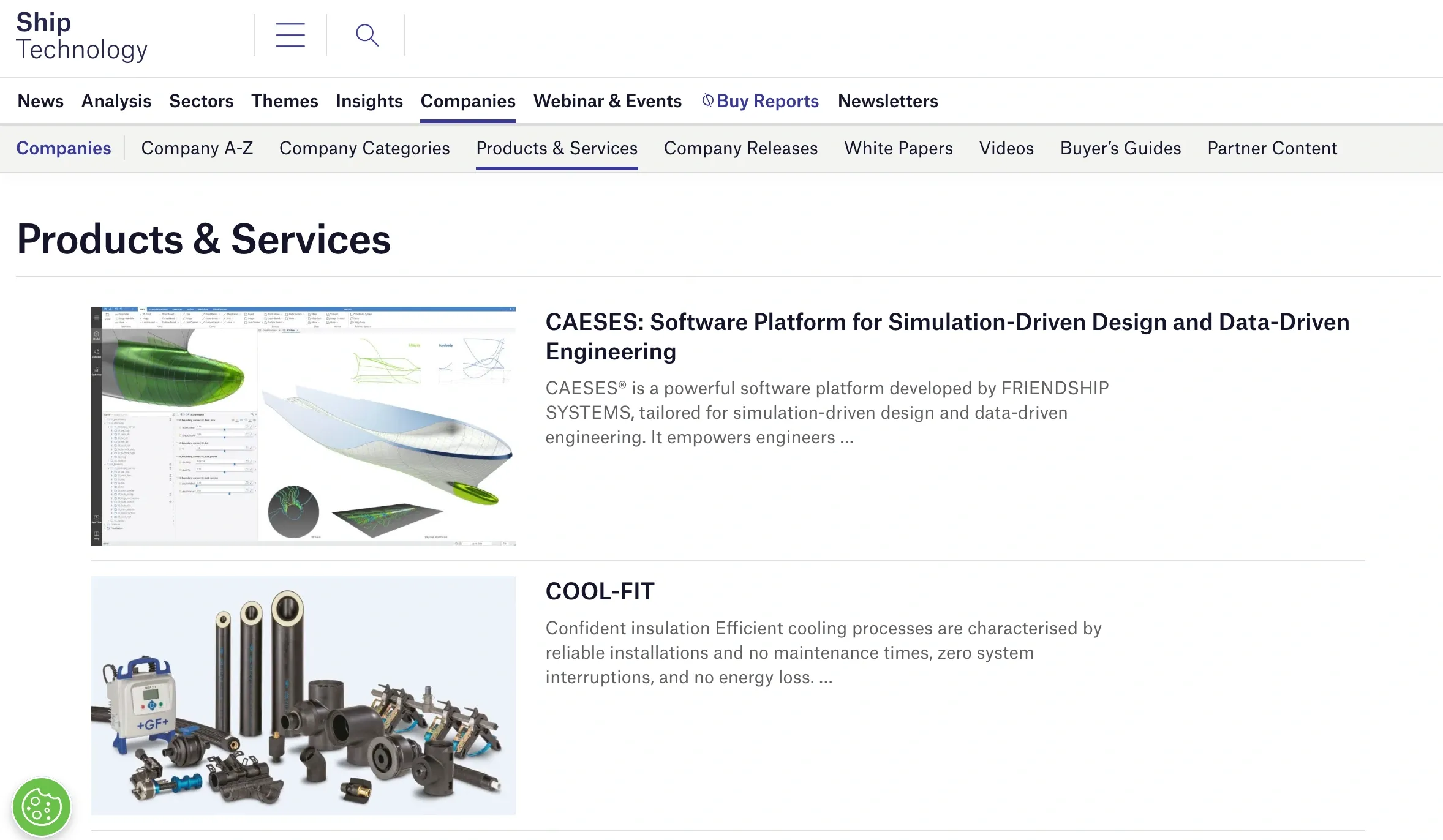
Nautilus Labs is a predictive intelligence platform that helps shipping companies improve voyage outcomes through machine learning.
It enables enterprise application developers to use fuel, weather, and speed data to improve routing and reduce carbon emissions. The platform focuses on continuous learning from fleet behavior.
Best For: Predictive voyage and fuel efficiency optimization
Best Use Case: Real-time vessel benchmarking and AI-powered decision support
Pricing: Enterprise SaaS. Pricing by vessel count and optimization scope. Quote only.
This custom enterprise software company helps fleets optimize every leg of the journey using intelligent automation.
Problem: Vizag Seaport faced slow delivery approvals, poor vessel visibility, and manual cargo validation. Paper-based delivery orders, siloed teams, and manual cargo balance calculations caused dispatch delays, data errors, and longer vessel idle time. Stakeholders lacked a system to track vessel status, approvals, and dispatch progress in real time.
Solution: Vizag Seaport deployed a custom Joget-powered port management system built by Relinns. The platform centralized vessel records, enabled structured delivery order creation, and automated multi-level approval routing from approver to finance with smart escalations. Dispatch officers received a live operations interface, while role-based dashboards, automated notifications, and nested cargo balance tracking ensured real-time control without manual coordination.
Results
See more here: Vizag Seaport port management system case study.
Problem: Container terminals struggle with berth planning and cargo handovers. Late changes and manual spreadsheets cause inefficiencies. Without shared schedules, carriers and terminals face delays and unpredictability.
Solution: South Carolina Ports digitized berth planning by deploying Portchain Quay software. This cloud tool replaced paper schedules with a real-time, shared timetable. Over 700 dockside and shipping stakeholders gained access through an online portal. The phased rollout began at one terminal and then expanded across all three container terminals.
Results
See more here: Portchain/SC Ports case
Problem: A global shipowner needed to consolidate data from 100+ vessels for performance benchmarking. Diverse ship types and legacy systems meant data was siloed, making fleet-wide optimization impossible.
Solution: The owner adopted Kongsberg Digital’s Vessel Insight and Kognitwin platform to stream live data from its fleet of tankers. All ship data (engine, fuel, cargo, weather) is fed into a central cloud dashboard. Crew and shoreside managers used uniform KPIs to compare real-time performance against targets. Predictive analytics highlighted underperforming ships and maintenance needs.
Results
See more here: Kongsberg digital transformation.
The maritime industry is experiencing significant changes driven by digital technology, and Enterprise Application developers are at the forefront of that trend.
Software is now a critical component of shipping companies' ability to manage their fleets effectively and efficiently through real-time fleet intelligence and predictive routing, as well as CO2 emissions tracking.
Working with an Enterprise Application Development Company can help you free up essential data, improve fuel efficiency, and gain complete visibility of your vessels.
When you work with a company whose tools integrate seamlessly into any Enterprise Application Development Platform, you can deploy faster and have a significantly larger, scalable impact on your business.
To remain competitive, reduce carbon footprint, and comply with regulatory requirements, you need to work with a trusted Enterprise Application Development Company to modernize your entire Maritime Software Stack and ensure you are future-proofing your work processes.
The ocean will always add a level of uncertainty, but your tech stack should not.
They bridge operational gaps by building intelligent tools that connect vessels, ports, and logistics into one seamless ecosystem, enabling real-time decisions and sustainable outcomes.
By integrating scalable systems for emissions tracking, compliance, and predictive routing, they ensure fleets stay ahead of evolving international maritime regulations and fuel efficiency benchmarks.
Yes, modern platforms are designed to integrate with legacy marine systems using APIs and adapters, allowing gradual upgrades without disrupting critical operations.
Custom firms tailor solutions to your fleet size, trade routes, and compliance needs, offering flexibility and precision that generic software cannot match.
Absolutely. Intelligent applications track risk exposure, weather, and route deviations in real time, helping minimize costly incidents and improve insurer trust.
Most enterprise software tools can be deployed within 8 to 12 weeks, depending on vessel connectivity, platform complexity, and scope of integration.
Subscribe to Our Newsletter
Get the latest business insights straight into your inbox.
Checkout our related blogs you will love.
Updated at Feb 11, 2026
15 min to read

Updated at Jan 2, 2026
7 min to read
Updated at Jan 2, 2026
10 min to read
Updated at Jan 2, 2026
12 min to read
Updated at Jan 2, 2026
9 min to read
Updated at Jan 2, 2026
10 min to read
Table of Contents
